I used to check only whether it worked
I started using the products that were already part of my routine in a different way. Before, I mostly asked one thing: does it work or not? If the payment went through, the order arrived and the message was delivered, that was enough.
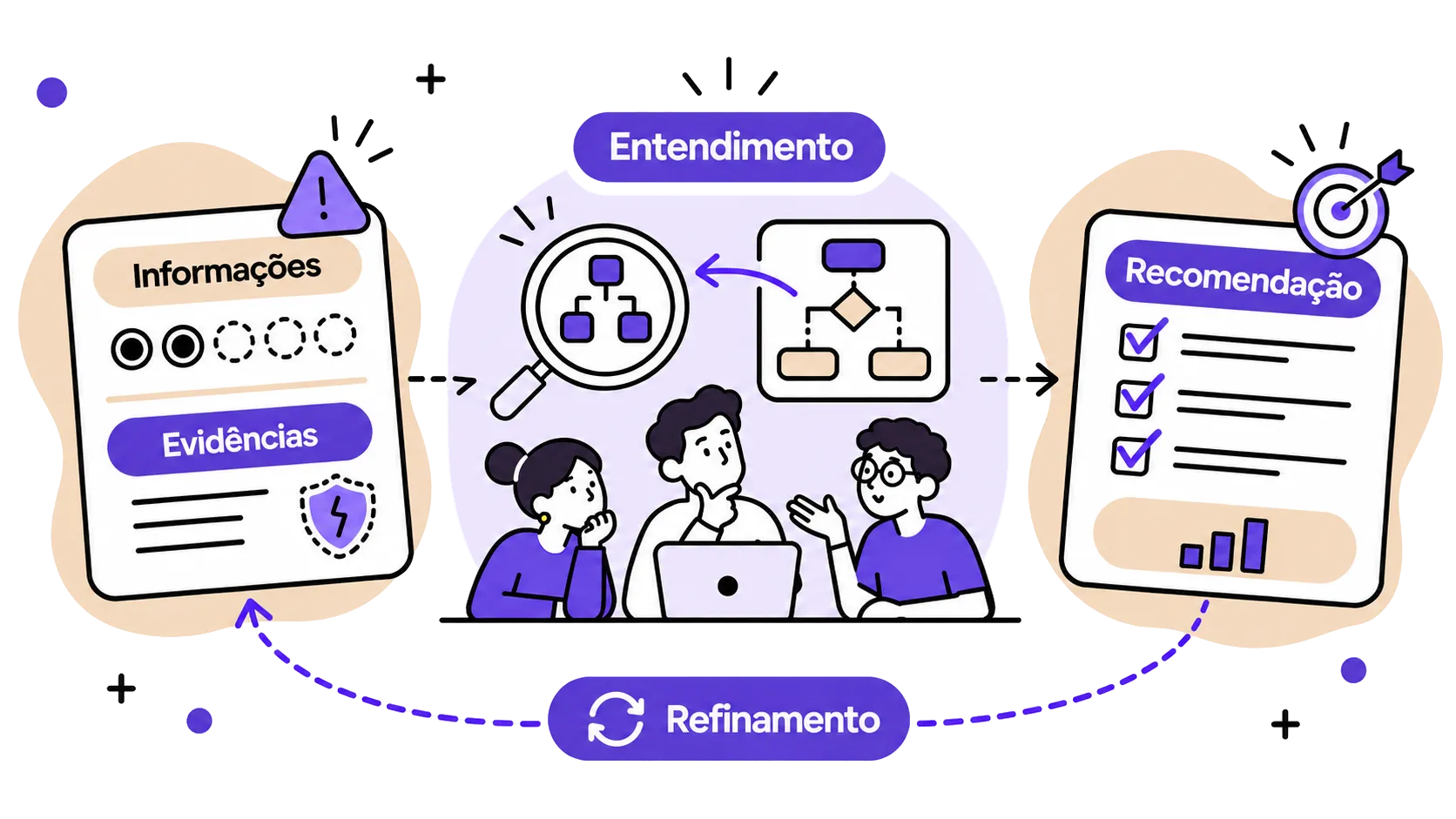
The questions I added
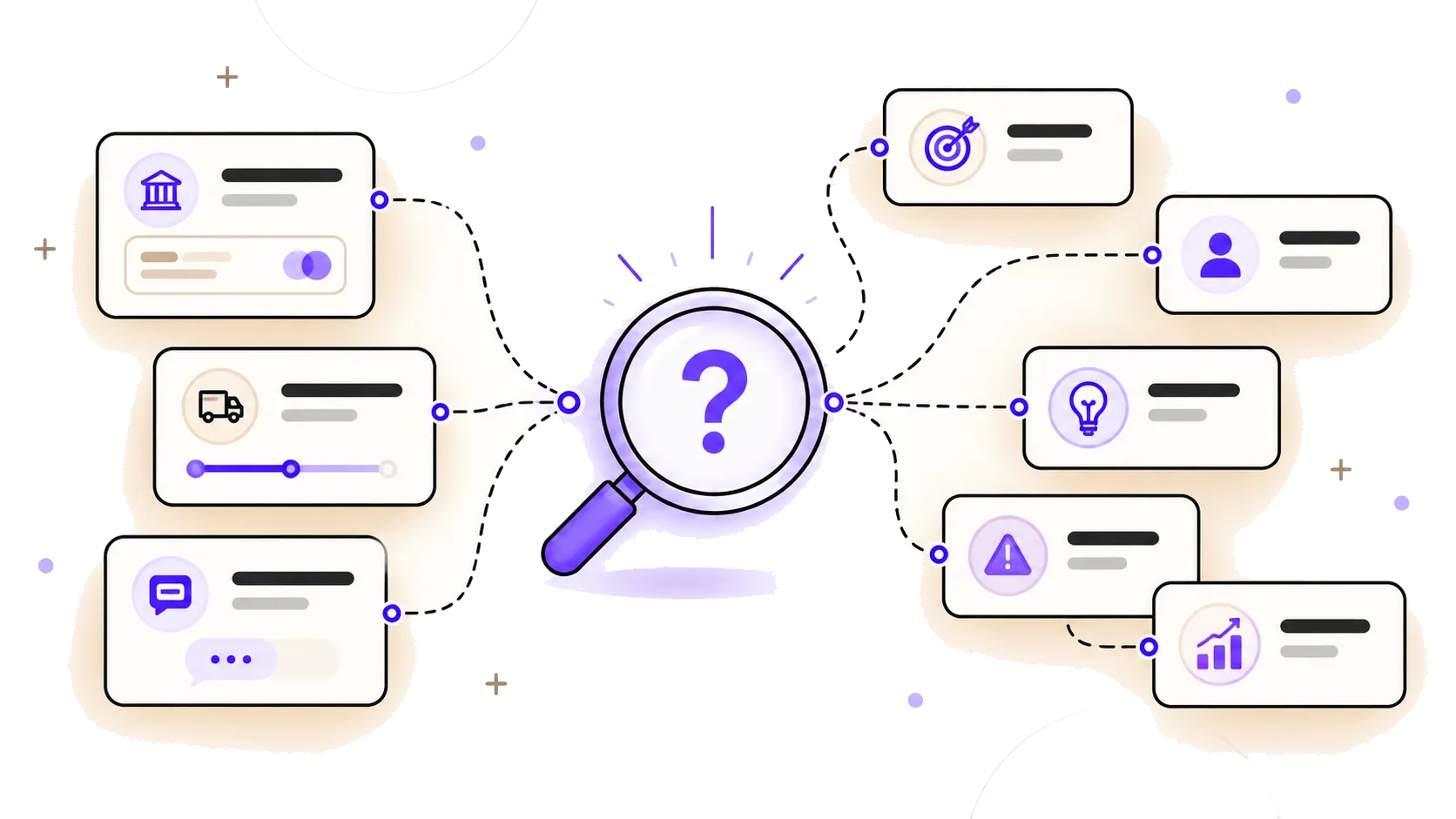
Now I ask other questions too:
- What problem is this trying to solve?
- For whom?
- Why was this solution chosen?
- Where is the friction?
- What would happen if we did it differently?
And above all: is this a problem worth solving?
That last one changes the conversation the most. You can answer the other five well and still be working on something few people actually feel.
Three products I use every week
This becomes clear when I apply these questions to products I use every week.
Mercado Livre
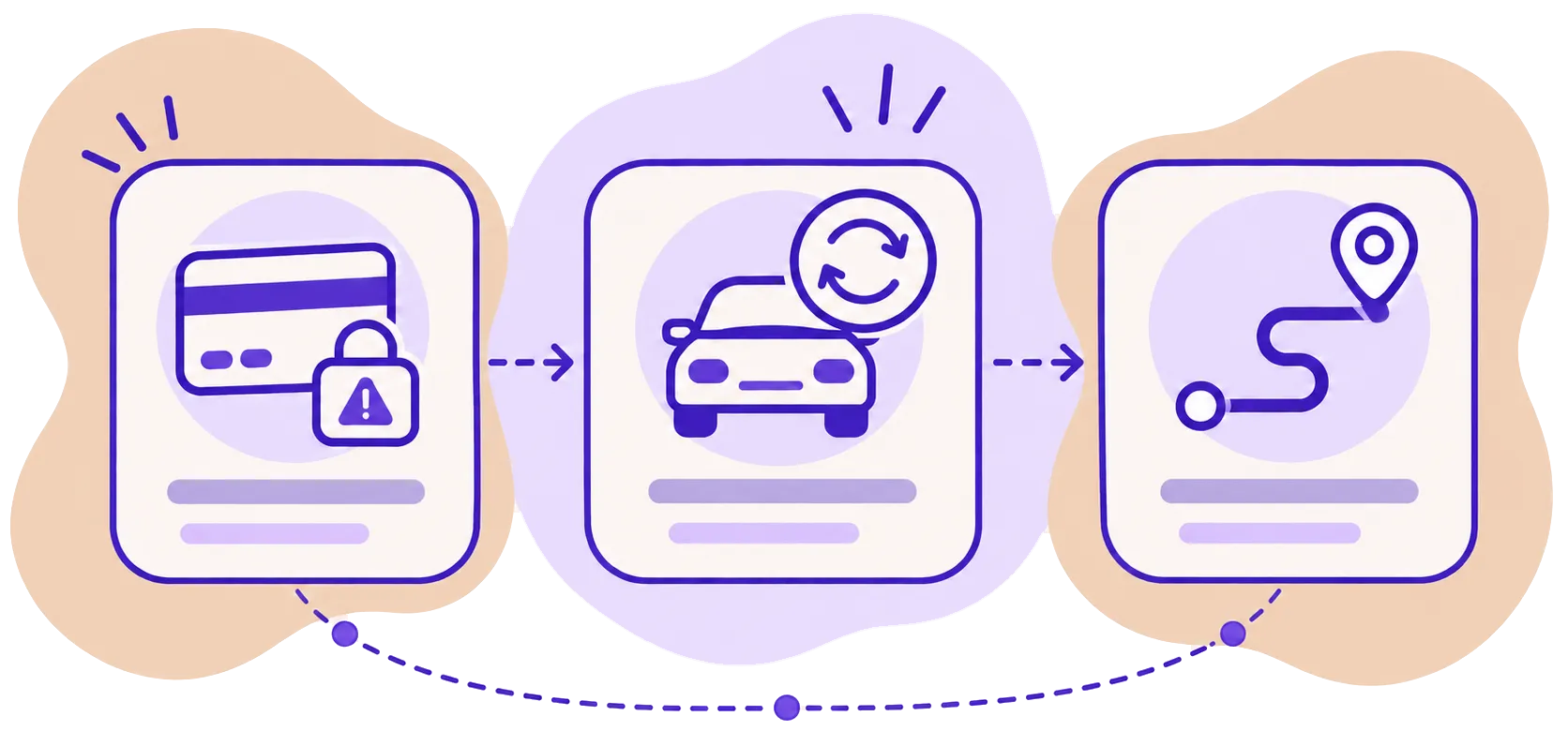
Mercado Livre does not pass the money to the seller as soon as the purchase is paid. The amount is held and only released after the product reaches the buyer. The problem is trust between strangers: someone buying from a seller they have never met is afraid of paying and getting nothing. The friction falls on the seller, who waits longer to get paid for what they already sold. If the money went straight to the seller, they would get it faster, and every product that never arrives would become a dispute between buyer and seller, with no one holding the payment. A few days of waiting for the seller seem like an acceptable cost.
iFood
iFood shows the courier moving on the map. The order doesn’t arrive sooner because of it. My hypothesis is that the map is there to reduce the uncertainty of waiting: you see the order move and open the chat less to ask where it is.
WhatsApp hides your last seen only if you also give up seeing everyone else’s, enforcing reciprocity. Anyone who wants privacy can have it. What you cannot do is see others without being seen. I imagine that without this rule many people would hide their own status and keep checking their contacts’, and the information would lose its value for everyone. The rule keeps the information useful for those who choose to share it.
What sits behind a screen
Behind a screen, a button or a flow there is a problem someone tried to solve and a hypothesis about what would work. In all three examples, someone accepted a cost: the seller waits longer to get paid, the map depends on the courier’s live location and last seen only disappears for people who also stop seeing everyone else’s.
Before thinking about what to build
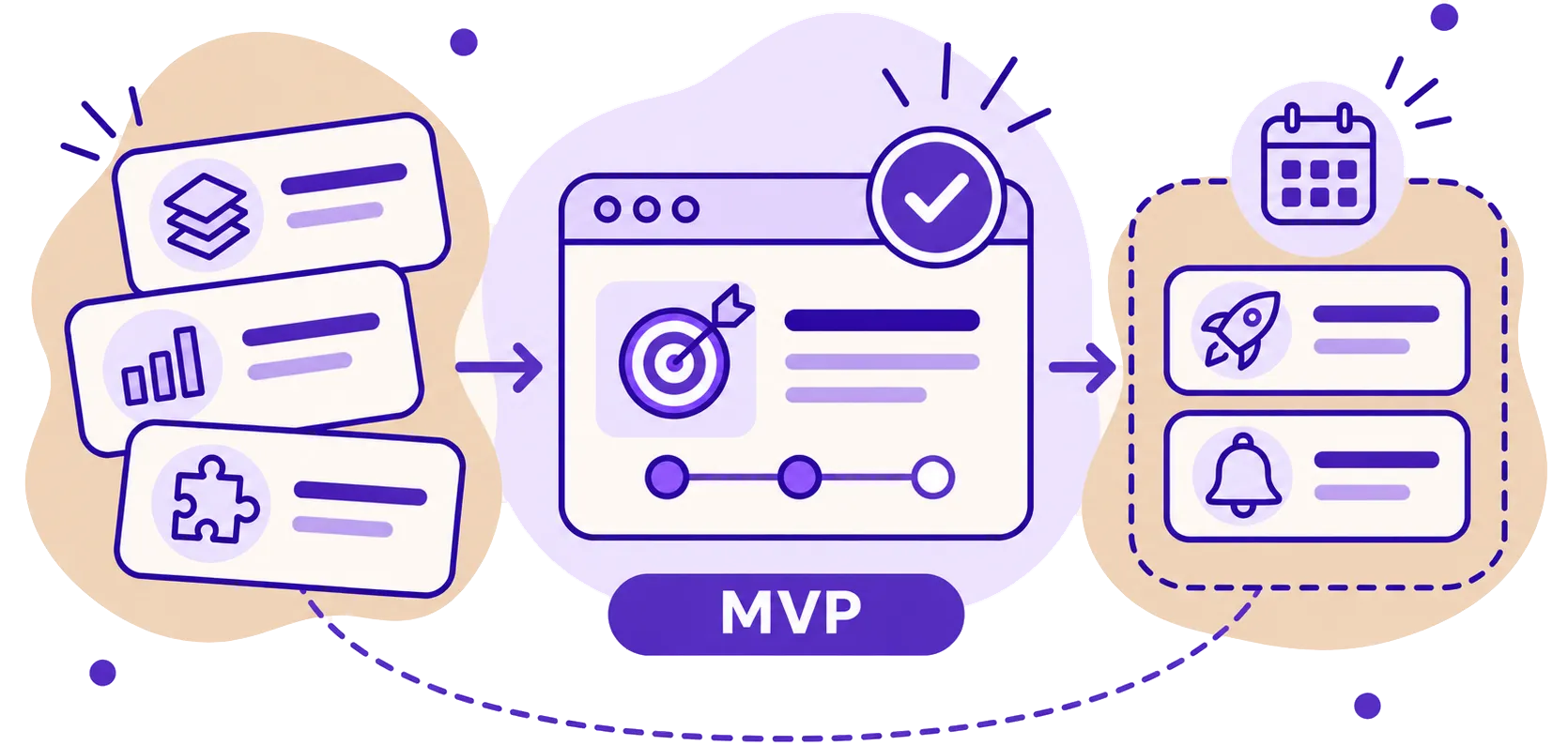
When a feature request comes in, I start with the same questions I ask Mercado Livre or iFood. If I cannot say what problem it solves and for whom, it is not time to design the solution yet.