Behind the Product is the series where I walk through decisions in my own projects and what I changed because of them.
When everything seems to make sense
Over the last few weeks, working on Rumo+, the education product I am building, the proposal evolved and many expansion options came up: new flows, new features, more ways to track progress and other paths to make the experience more complete.
Judged on its own, almost every idea passed: it solved something real for someone and fit the product. The problem shows up when many come in at once. Each one brings new screens, states and rules, and it gets harder to understand what is actually being validated.
I had been here before
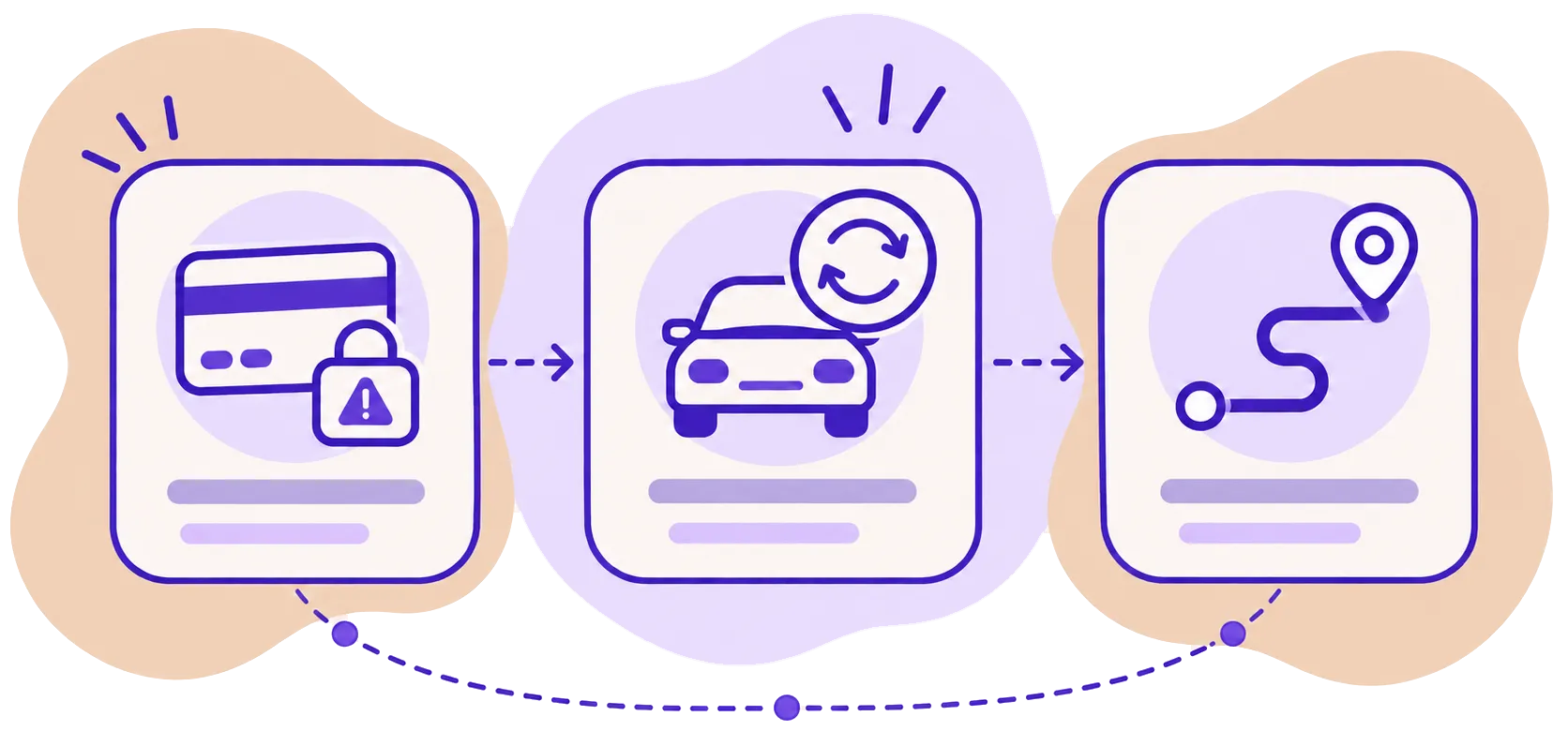
It was not the first time. In an earlier version, Rumo+ grew to four subjects and 48 skills, with AI-generated questions. Content and state inconsistencies followed, and each fix opened another one. I cut it down to two subjects and six skills, and that cut is what made the product testable.
This time, I wanted to make the cut before building.
The question that changed
I had been asking what to add. I started asking what the smallest slice is that has to work well for me to test the core proposal of the product.
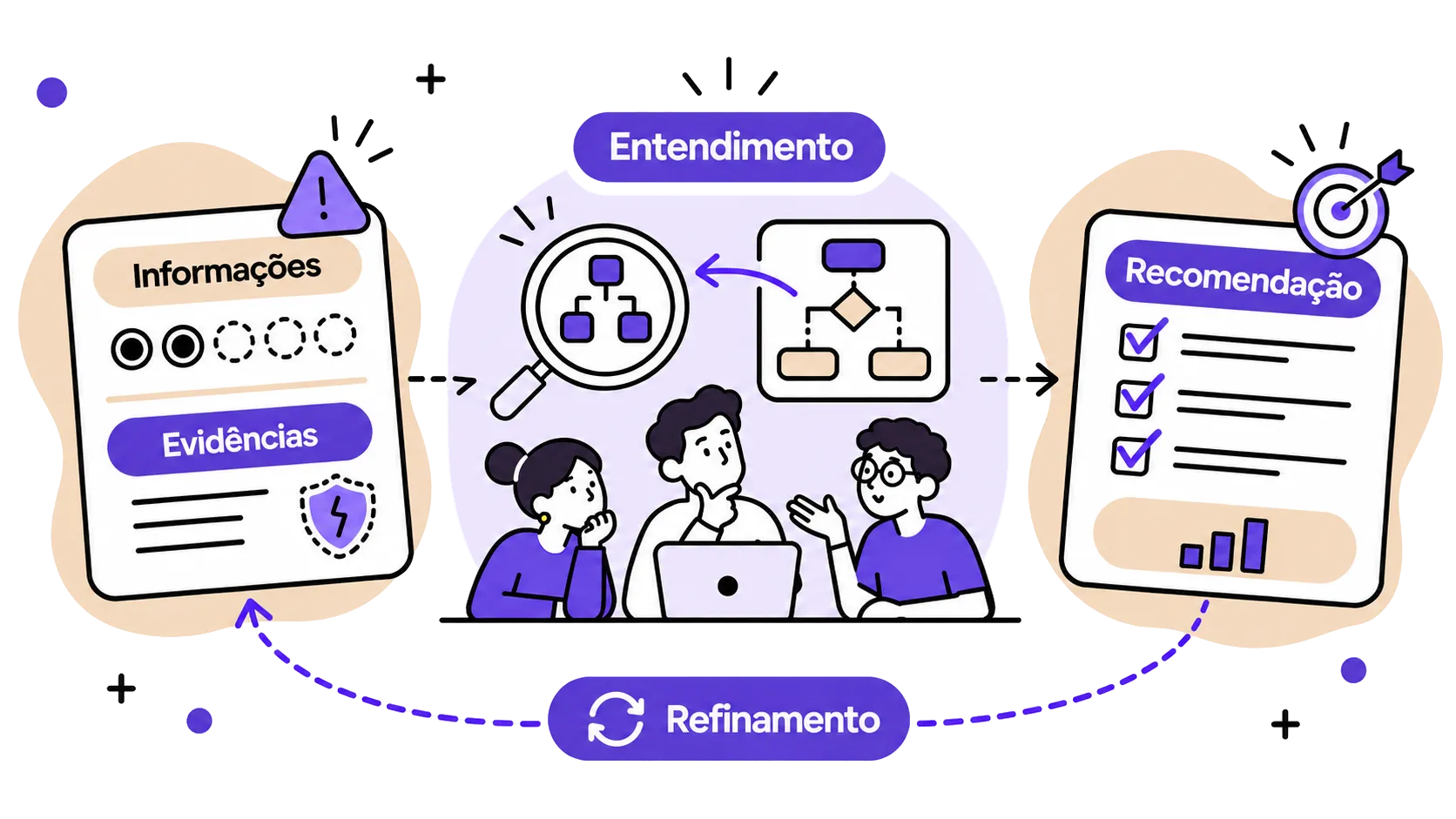
In Rumo+, the core proposal is this: the student answers five questions per skill, understands what the answers show, gets a suggestion of where to start and leaves with a short task to do now. Everything that comes later depends on that sequence working.
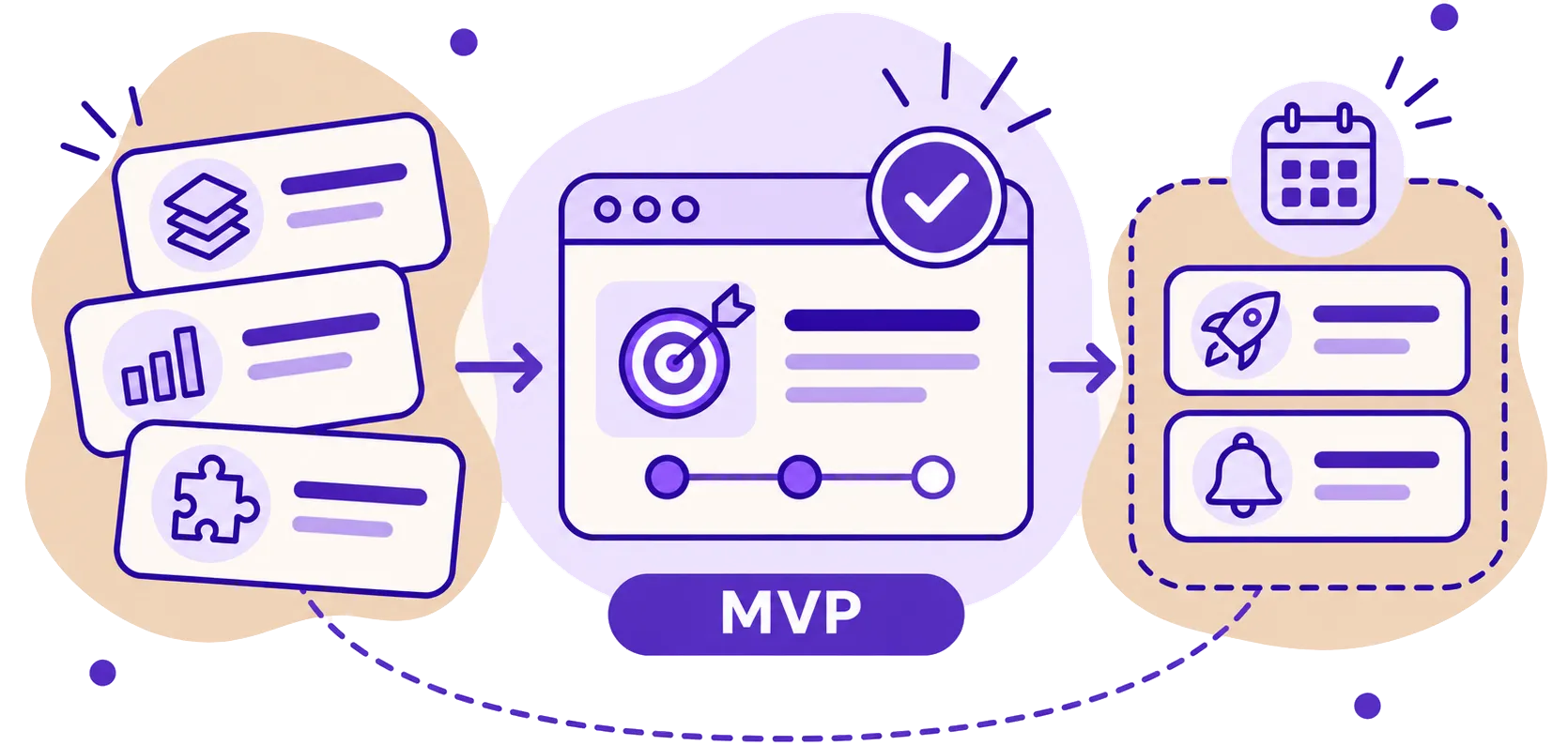
With that question, some ideas were left for later. They are still interesting, they just are not needed yet. The priority became building a leaner, more coherent flow before expanding the product.
What the slice looks like
The acceptance criterion I wrote for the main cycle helps show the limit: it only delivers value when the task is complete and the student understands which evidence led to the guidance. Reaching the results screen is not enough.
That makes it clear what is in: the check, the explanation of the suggestion and the task. The learning support layer, with explanation, practice and reinforcement, is optional. The cycle ends with something useful even if the student stops before it, so that layer can evolve later without holding up the test.
What changed in practice
Cutting scope gave me more clarity on:
- What needs to be tested at this stage: whether people understand the guidance and can start the task.
- What holds up the proposal, and so cannot be left out: the five reviewed questions and the rule that decides when to suggest and when to hand the choice back to the student.
- Which decisions can wait for more evidence, such as whether the channel is the school, the teacher or direct access by the student.
It also became easier to plan the test. With fewer screens, when someone gets confused, I will know where to look.
The rule for what gets in
Today, before it gets into scope, every new option has to answer one question: is it needed to test the core proposal now? If not, it waits.
The ideas left out will be reviewed again once I have results from testing with people, which is planned and has not happened yet.
What I take from this
I learned that prioritizing includes deciding what can wait without compromising what I need to learn now. In Rumo+, cutting scope is what helped me see the product most clearly, from the 48 skills of the earlier version to the ideas left for later in the last few weeks.